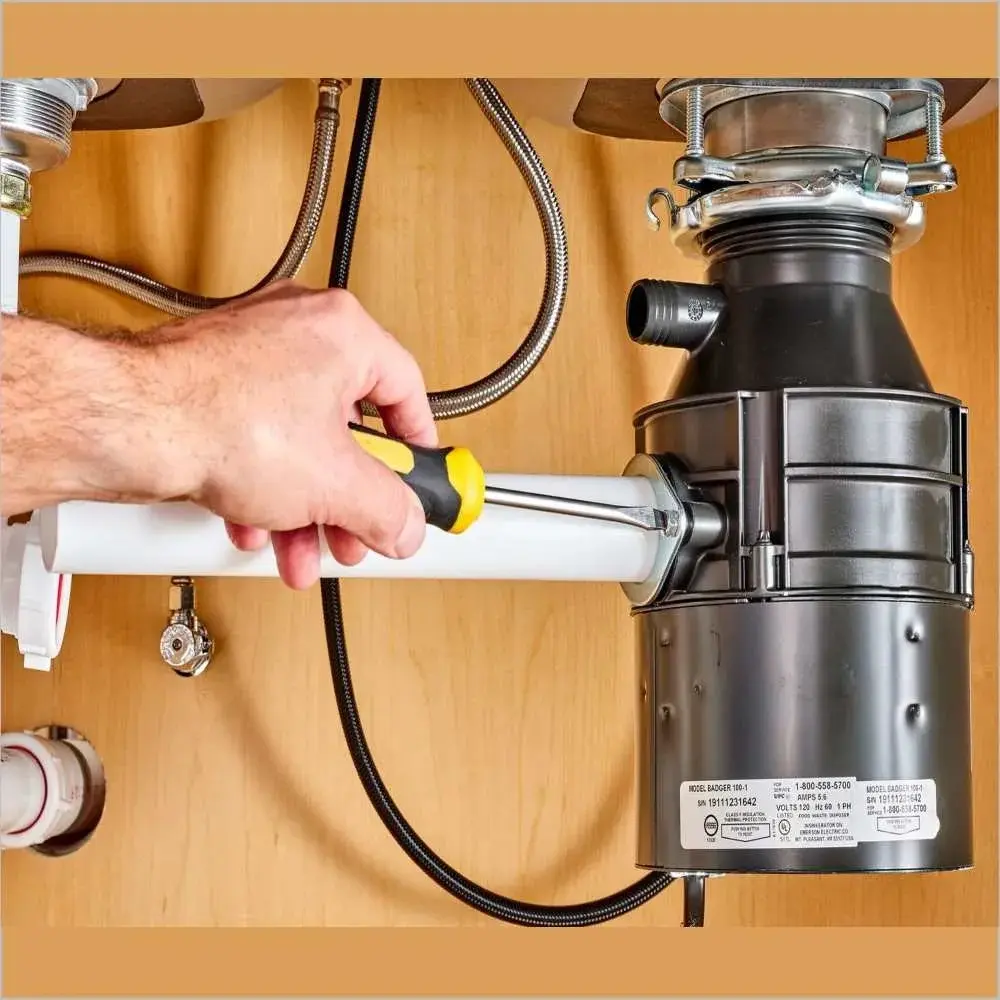
The most common dishwasher problems are poor cleaning performance, standing water or slow draining, unpleasant odors, dishes coming out wet instead of dry, unusual noises during a cycle, and a unit that won’t start at all. Most of these trace back to a small handful of root causes, a dirty filter, a blocked spray arm, worn seals, or a specific failed part, rather than a mystery that requires guesswork.
This guide walks through each problem by symptom, since that’s usually how homeowners actually notice something’s wrong, then points to the underlying cause and what to do about it.
Problem 1: Dishes Coming Out Dirty or Cloudy
This is the complaint that sends most people searching in the first place, and it’s rarely a sign of a dying dishwasher. More often, it’s something fixable in under ten minutes.
Common causes include:
- A clogged filter recirculating dirty water back onto dishes instead of draining it away
- Blocked spray arm holes preventing water from reaching every dish evenly
- Overloading the racks, which blocks proper water circulation
- Using expired or low quality detergent that doesn’t fully dissolve
- Hard water mineral buildup leaving a cloudy film over time
Have you actually cleaned the filter recently, or has it been sitting untouched since the unit was installed? That single step resolves this complaint more often than any detergent switch ever will.
Problem 2: Standing Water or Slow Draining
Water pooling at the bottom of the tub after a cycle finishes is one of the most frequent complaints dishwashers generate, and it has a wide range of possible causes, from a simple filter clog to a much more specific installation issue.
This particular symptom is common enough, and involved enough, that it deserves its own deeper explanation. If this is the issue you’re actually dealing with, this site has a dedicated breakdown covering exactly what causes standing water and how to work through it step by step, including a surprisingly common installation related cause tied to garbage disposal replacements.
Problem 3: Dishes Coming Out Wet Instead of Dry
A wash cycle that leaves everything damp usually points to one of a few specific culprits, most of which are simple to check.
Empty or low rinse aid
Rinse aid helps water sheet off dishes rather than forming droplets. Without it, moisture lingers even on an otherwise successful cycle.
Overloaded racks
Dishes packed too tightly block proper air circulation needed for drying.
A failing heating element
Beyond drying, this part also helps dissolve detergent, so a failure here sometimes shows up as both wet and slightly dirty dishes together.
Condensation drying settings
Many newer, more energy efficient dishwashers rely on condensation rather than heated drying, which naturally leaves dishes slightly damper than older models did.
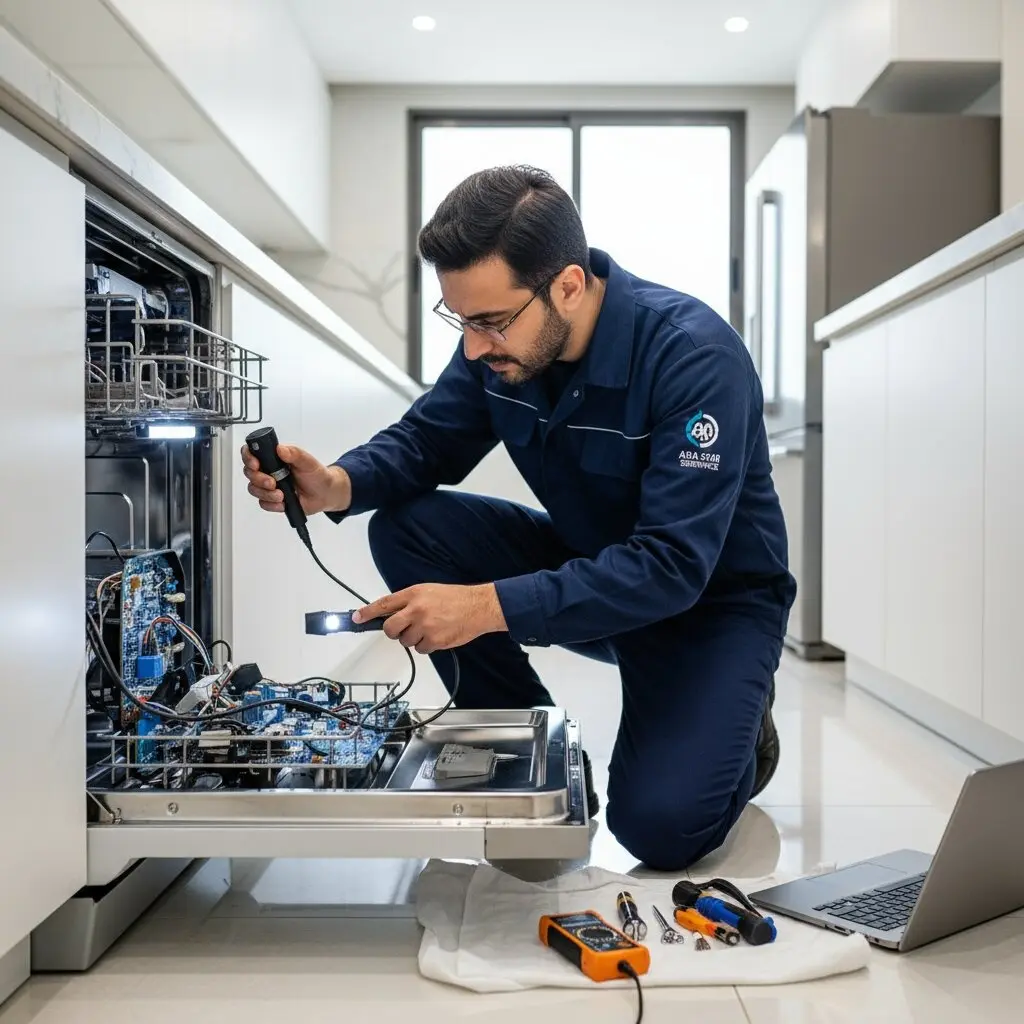
Problem 4: Unpleasant Odors
A dishwasher that smells off almost always comes down to trapped food particles somewhere the eye doesn’t easily reach, the filter, the sump area beneath it, or the rubber door gasket.
A simple monthly routine usually keeps this from becoming a recurring issue.
- Remove and rinse the filter thoroughly under warm water
- Wipe down the door gasket, where grease and food particles quietly accumulate over time
- Run an empty cycle with a cup of white vinegar on the top rack to help break down grease and residue
- Check for a stray piece of plastic or food that may have melted or lodged somewhere out of sight
If odor persists after a genuine deep clean, a drainage issue trapping standing water further down the system may be contributing as well.
Problem 5: Unusual Noises During a Cycle
Some noise is completely normal, a gentle hum, the sound of water moving, even a fan running after the cycle ends. Certain sounds, though, are worth paying attention to.
- Grinding noises often point to something small, like a piece of glass or a utensil, stuck in the chopper area or filter.
- Thumping or clanging usually means dishes are packed too closely and knocking against the spray arm as it rotates.
- A loud, unfamiliar buzzing during the drain cycle can indicate a struggling drain pump working harder than it should.
Philadelphia rowhomes often place dishwashers directly beneath open concept kitchen layouts or close to shared walls, so noise that would go unnoticed in a larger suburban kitchen sometimes gets flagged here sooner, which isn’t a bad thing. Catching a noise change early often means catching a small problem before it becomes an expensive one.
Problem 6: The Dishwasher Won’t Start
Few things are more frustrating than pressing start and getting nothing at all. This usually comes down to one of a short list of causes.
- The door isn’t fully latched, which most modern dishwashers require as a safety feature before running
- A tripped breaker or a power supply issue unrelated to the dishwasher itself
- A delayed start setting accidentally activated
- A failed door switch or control board, which typically requires professional diagnosis
Before assuming the worst, it’s worth firmly checking that the door is closing and latching completely, since a slightly misaligned door is a surprisingly common and easy to miss cause.
Problem 7: Leaking From the Door or Base
A leak understandably feels alarming, but it’s rarely as serious as it first appears.
Worn door gasket
Rubber seals degrade over years of heat and use, eventually letting water escape during the wash cycle.
Improper loading
Tall items blocking the spray arm’s rotation can redirect water toward the door seal instead of back down into the tub.
Too much detergent or the wrong type
Excess suds can escape past the door seal during a cycle.
A cracked or loose hose connection
More relevant if the leak appears underneath rather than from the door itself.
Persistent leaking after ruling out the gasket and loading pattern is one of the situations where calling for an inspection sooner rather than later genuinely pays off, since water damage in a kitchen cabinet can escalate quickly.
When a Problem Points to Something Bigger
A few patterns suggest it’s time to think beyond a simple fix.
- The same issue keeps returning within weeks of being resolved
- Multiple symptoms are showing up together, like noise, poor cleaning, and standing water all at once
- The unit is already past eight to ten years old
- A repair estimate is approaching half the cost of a comparable new dishwasher
If any of that sounds familiar, this site also has a dedicated guide walking through exactly how to decide between repairing and replacing a dishwasher, including a framework that goes beyond just comparing dollar amounts.
A Quick Story Worth Mentioning
A homeowner in Germantown once described dealing with three separate complaints at once, dishes coming out cloudy, a faint odor, and water occasionally left standing at the bottom. It looked like three different problems on the surface.
In reality, all three traced back to a single root cause, a filter that hadn’t been removed and cleaned in well over a year. Once that one step was addressed, every symptom cleared up together. It’s a good reminder that dishwasher problems that look complicated on the surface sometimes share one simple root cause underneath.
Simple Habits That Prevent Most of These Problems
A short, consistent routine prevents the majority of what’s covered above from ever becoming a real issue.
- Clean the filter every two to four weeks depending on how often the dishwasher runs
- Keep rinse aid topped off consistently, not just when dishes start coming out visibly wet
- Wipe down the door gasket monthly to prevent grease and odor buildup
- Avoid overloading racks, even when it’s tempting after a big meal
- Run a dedicated cleaning cycle once a month to reduce mineral and grease residue throughout the system
Frequently Asked Questions
What is the most common dishwasher problem overall?
Poor cleaning performance and drainage related issues top the list, and both are frequently traced back to a dirty or neglected filter.
Why does my dishwasher smell bad even after cleaning?
Lingering odor often means food particles remain trapped in the sump area beneath the filter or along the door gasket, areas that a quick wipe down sometimes misses.
Is it normal for a dishwasher to make some noise?
Yes, gentle humming and water movement sounds are completely normal. Grinding, thumping, or a new loud buzzing sound are the noises actually worth investigating.
Should I be worried if my dishwasher leaks occasionally?
A one time leak tied to overloading or excess detergent usually isn’t serious, but a persistent leak, especially from the base rather than the door, is worth having inspected before it causes water damage.
When Dishwasher Problems Need Professional Attention
Most dishwasher problems fall into a short, predictable list, and the vast majority trace back to a handful of root causes that are genuinely easy to check yourself before assuming a repair is needed. Poor cleaning, standing water, odors, and noise almost always start with the filter, the seals, or basic maintenance that got skipped for a few months too long.
If your dishwasher is showing more than one of these symptoms at once, or if a problem keeps returning after you’ve already addressed it, that’s usually the signal to stop troubleshooting and get an actual diagnosis before it turns into a bigger repair.