A small amount of water sitting in the recessed area around your dishwasher’s filter is actually normal and helps keep internal seals from drying out. But if water is pooling noticeably across the bottom of the tub after a full cycle, that’s a real drainage problem worth investigating before running another load.
That distinction trips up more homeowners than you’d expect. People open the dishwasher, see any water at all, and assume the worst, when sometimes the fix is nothing more than understanding what’s actually supposed to be there. Here’s how to tell the difference, what usually causes the real problem, and what to check before calling for repair.
Normal Versus Abnormal: The Distinction Nobody Explains Well
Most modern dishwashers keep a small reservoir of water near the filter area, roughly enough to cover the base of the filter basket. This water gets replaced with fresh water at the start of the next cycle and exists specifically to protect the pump seals from drying out between uses.
If what you’re seeing matches that description, a shallow puddle confined to the filter area, there’s nothing wrong. The situation that actually needs attention is water spread across the entire bottom of the tub, deep enough to cover the heating element, or water that’s visibly increased compared to previous cycles.
Have you actually compared what you’re seeing to a fresh, working cycle, or are you assuming it’s a problem based on water that’s always been there? That one comparison alone resolves a surprising number of “my dishwasher is broken” calls.
The Most Overlooked Cause: A New Garbage Disposal Installation
Here’s a cause that rarely gets enough attention, and it’s one of the most common reasons standing water shows up out of nowhere in an otherwise perfectly healthy dishwasher.
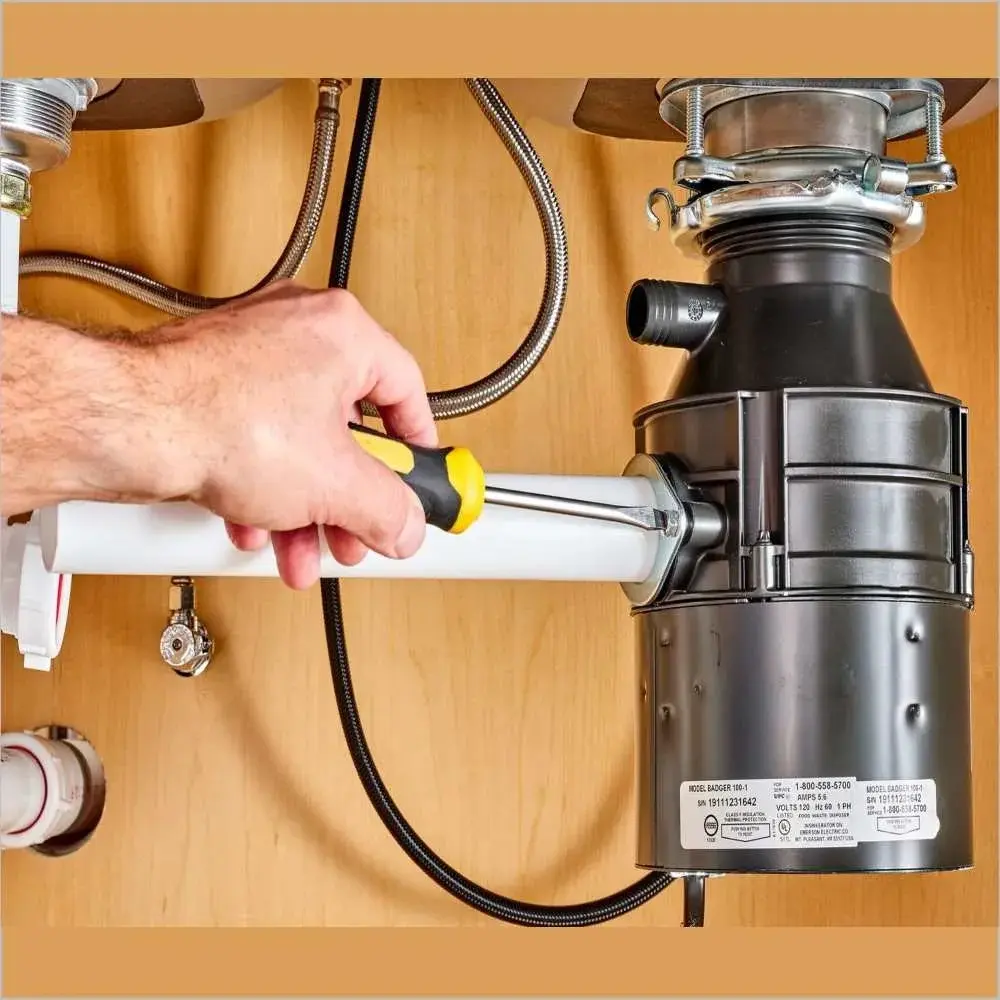
When a garbage disposal is installed or replaced, the inlet where the dishwasher hose connects includes a factory knockout plug that must be physically removed before the connection is made. If a plumber, contractor, or a homeowner doing it themselves forgets this single step, the dishwasher has absolutely no path to drain into the disposal at all.
This creates a strange but very telling pattern. The dishwasher drained perfectly fine before the disposal was replaced, and suddenly, right after, every single cycle ends with standing water. If that timeline matches your situation, this is very likely your answer before you consider anything else.
The plug itself is removed by disconnecting the water line from the disposal, then tapping it out from the inlet using a screwdriver and a light hammer tap, positioned at the edge of the plug rather than the center. It’s a simple fix once identified, but genuinely easy to miss during installation.
Air Gap and High Loop Issues
Many dishwashers rely on either an air gap, a small cylindrical device mounted near the faucet, or a high loop in the drain hose itself, to prevent dirty sink or disposal water from siphoning backward into the dishwasher. Either method works, but each has its own way of failing.
Air gap clogs happen when food particles or grease build up inside the small chamber over time. A long handled bottle brush or a firm burst of air through a paper towel tube pressed over the opening can often clear a soft clog without any tools.
A missing or collapsed high loop in the drain hose beneath the sink can prevent proper drainage entirely, especially if the hose has shifted or been reinstalled incorrectly during a plumbing repair unrelated to the dishwasher itself.
Building codes vary by location on which method is required, so if you’re unsure whether your setup uses an air gap or a high loop, checking under the sink for a small cylindrical fixture near the faucet base is usually the fastest way to identify which one applies to you.
Filter and Drain Path Blockages
Beyond installation related issues, the dishwasher’s own filter basket is a frequent contributor to standing water, particularly in households that run the dishwasher daily.
Labels peeled off jars, small pieces of broken glass or plastic, and compacted food debris can all restrict water flow at the filter level long before the problem reaches the pump or hose. This is also one of the easiest issues to rule out yourself, since most modern dishwasher filters twist out by hand without any tools required.
When the Drain Pump Is the Actual Culprit
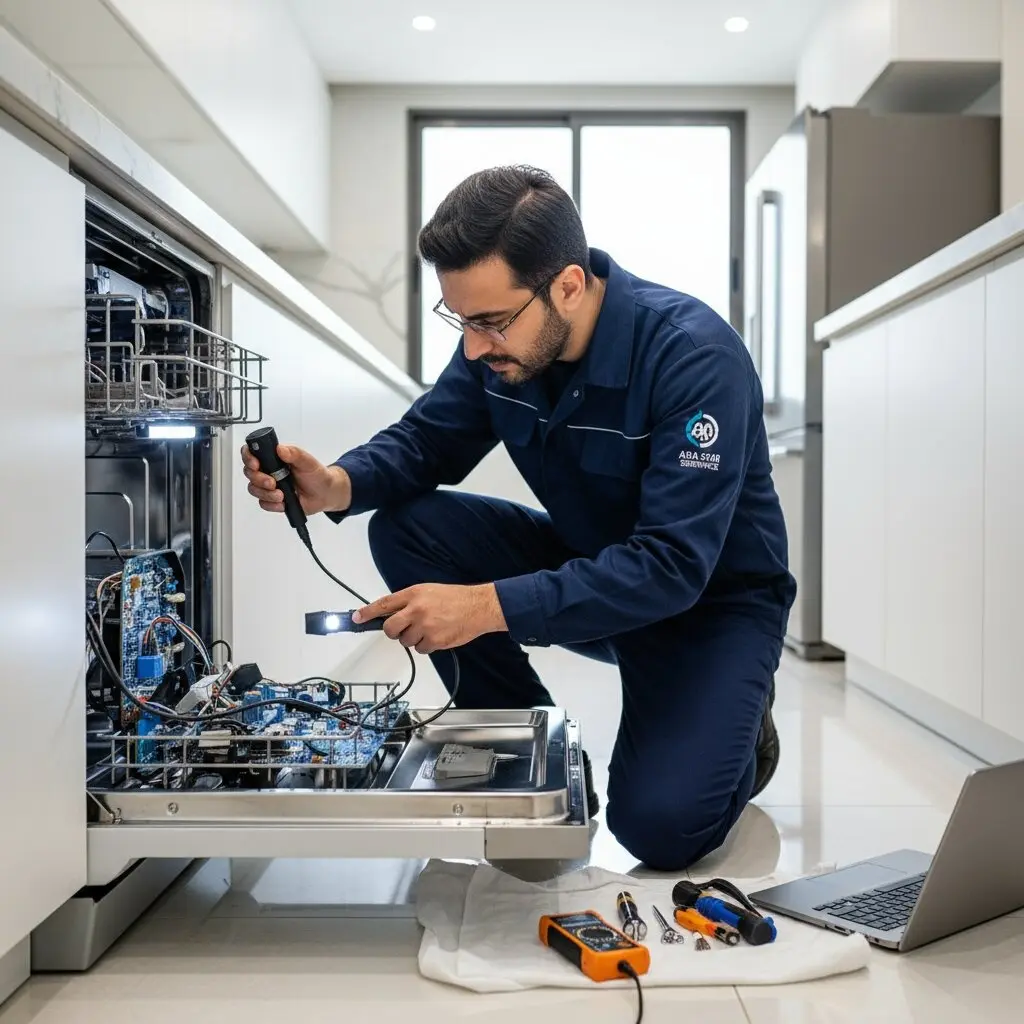
If you’ve confirmed the knockout plug was removed, checked the air gap or high loop, and cleaned the filter thoroughly, and water is still standing after every cycle, the drain pump itself may be failing.
A pump that hums audibly during the drain cycle but doesn’t actually move water, or one that’s noticeably quieter than it used to be, is often a sign of internal wear rather than a simple blockage. This is where DIY troubleshooting should generally stop, since accessing and replacing a drain pump involves working inside the dishwasher’s internal components.
A Real Example Worth Knowing
A homeowner in Manayunk once called convinced her dishwasher had suddenly broken overnight, since every cycle for a week straight had ended with standing water. The timeline lined up almost exactly with a garbage disposal replacement her building’s maintenance team had completed the same week.
Sure enough, the knockout plug had never been removed during that disposal swap. Once it was tapped out and the connection reopened properly, the dishwasher drained normally on the very next cycle, with no repair needed on the appliance itself.
That kind of story plays out often enough that it’s worth checking your recent home maintenance history anytime standing water starts suddenly rather than developing gradually.
A Simple Diagnostic Order Worth Following
Rather than guessing randomly, work through these steps in order. Each one rules out the easiest and most common causes before moving toward anything requiring a technician.
- Confirm whether the standing water is a shallow amount near the filter, which may simply be normal
- Remove and clean the filter basket thoroughly under warm water
- If a garbage disposal was recently installed or replaced, check whether the knockout plug was removed
- Inspect the air gap for clogs, or check the high loop under the sink for kinks or improper installation
- Run the garbage disposal itself to clear any blockage on that end of the connection
- If none of the above resolves it, the drain pump likely needs professional inspection
Preventing Standing Water Going Forward
A few consistent habits reduce how often this issue shows up at all.
- Clean the filter basket every two to four weeks depending on usage
- Ask your plumber directly whether the knockout plug was removed anytime a disposal is installed or replaced
- Clean the air gap every few months if your dishwasher connects through one
- Avoid letting large food particles or labels go down the disposal right before running the dishwasher
- Run a dedicated dishwasher cleaning cycle periodically to reduce grease and residue buildup throughout the system
Frequently Asked Questions
Is it normal for a dishwasher to have some water at the bottom?
Yes, a small amount near the filter area is normal and helps protect internal seals. It becomes a problem only when water is pooling across the full tub or has visibly increased compared to previous cycles.
Why did my dishwasher suddenly start leaving standing water after a new garbage disposal was installed?
This is almost always caused by a knockout plug that wasn’t removed from the disposal’s dishwasher inlet during installation, which blocks the drain path entirely.
Can I fix standing water in my dishwasher myself?
Often yes, especially if the cause is a dirty filter, a clogged air gap, or an unremoved knockout plug. A failing drain pump, however, typically requires professional repair.
How do I know if the problem is the dishwasher or the disposal connection?
If the dishwasher drained normally before a disposal was installed or replaced, and standing water started immediately afterward, the connection itself, not the dishwasher, is the most likely cause.
A Simple Check Could Get Your Dishwasher Draining Again
Standing water in your dishwasher isn’t always a sign of a broken appliance. Sometimes it’s completely normal, and other times it traces back to something as simple as a knockout plug that never got removed during a disposal installation.
Work through the filter, the disposal connection, and the air gap or high loop before assuming the worst. In a lot of cases, the actual fix takes less time than it took to notice the problem in the first place.