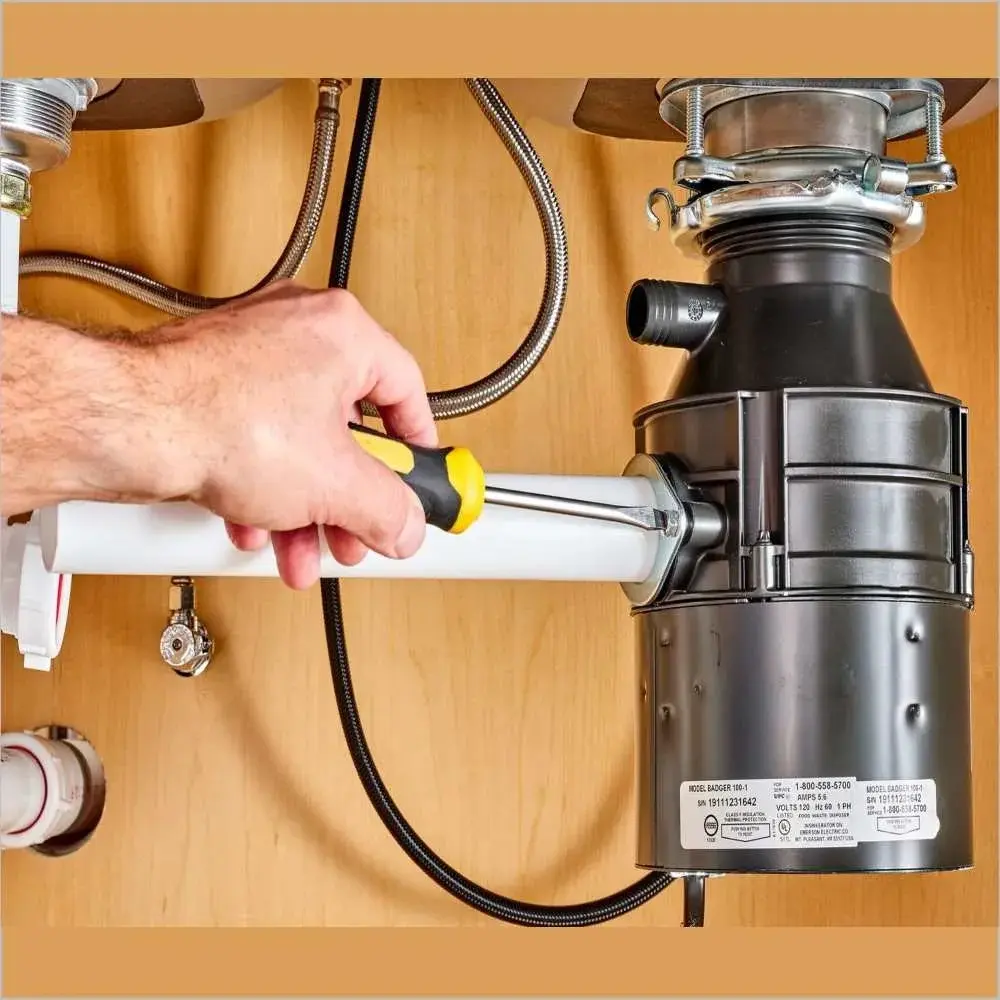
Yes. In a striking number of Philadelphia rowhomes, the electrical system behind the walls is slowly wearing down refrigerators, washers, and other major appliances, and most homeowners never realize the wiring is the actual culprit.
That answer tends to catch people off guard, mostly because a failing appliance and a failing electrical system look almost identical from the outside. What follows is how to tell the two apart, why this city’s housing stock makes the problem so common, and what genuinely helps once you know what you’re dealing with.
Why Philadelphia Homes Face This Problem More Than Most
Philadelphia holds one of the oldest housing stocks in the country. Block after block of rowhomes across Fishtown, Kensington, Fairmount, and Point Breeze went up between the early 1900s and the 1950s, long before anyone imagined a household running a refrigerator, a washer, a dryer, a microwave, and a handful of phone chargers all at the same time.
A large share of these homes still carry original wiring or a single electrical upgrade completed decades ago and never revisited since. Layer modern appliances on top of infrastructure like that, and you get a mismatch that quietly plays out for years before anyone connects the dots.
The Real Question: Is It the Appliance, or Is It the Wiring?
Here’s what trips up most homeowners. A washer that dies mid cycle or a fridge that runs nonstop looks exactly like an appliance problem. Sometimes it is. Other times, the appliance is simply the messenger, reacting to something happening upstream in the electrical system that no one has looked at yet.
A few patterns tend to give the real story away.
Lights dim the instant a major appliance kicks on:
That’s usually a circuit straining under a startup load it was never sized for, not a sign the appliance’s motor is failing.
The same repair keeps failing:
If a technician replaces a control board or a compressor and the identical issue resurfaces a few months later, something feeding power into that appliance deserves a closer look before another part gets swapped.
Several appliances on one circuit act up together:
A refrigerator and a microwave sharing one kitchen circuit will often show stress under the exact same conditions, almost in sync.
Outlets feel warm, or buzz faintly when something’s plugged in:
- That’s a wiring symptom wearing an appliance costume, and it should never be brushed off as normal.
Have you ever paid for the same repair twice within a year, on the same appliance, for what looked like the same problem? That single detail is often the clearest signal that the wiring, not the machine, is the actual source.
The Specific Electrical Issues Doing the Most Damage
A handful of conditions show up again and again across Philadelphia’s older homes, and each one wears down appliances in its own particular way.
Voltage Fluctuations and Brownouts
Modern appliances rely on far more delicate internals than the appliances of decades past, inverter motors, sensors, and control boards that simply didn’t exist in older mechanical models. A brief voltage dip that an old fashioned appliance would barely notice can slowly erode a modern control board with every occurrence, one small stress at a time.
Panels Built for a Different Era
Plenty of rowhomes still run on panels sized for a household that used a fraction of today’s electrical load. Ask that panel to support a modern home anyway, and appliances on shared circuits start experiencing power that arrives inconsistently, particularly the instant something power hungry, like a compressor, switches on.
Two Prong Outlets Without Grounding
Homes built before grounding became standard often still carry two prong outlets. Appliances designed around a grounded three prong plug lose an important layer of protection in that setup, leaving internal components more exposed than they were ever meant to be.
Circuits Asked to Do Too Much
A kitchen circuit wired decades ago was never designed to run a refrigerator, a microwave, and a coffee maker at once. When it’s forced to anyway, the strain surfaces as flickering lights, breakers that trip without warning, and appliances that behave in ways that don’t quite add up.
A Story That Plays Out More Often Than You’d Think
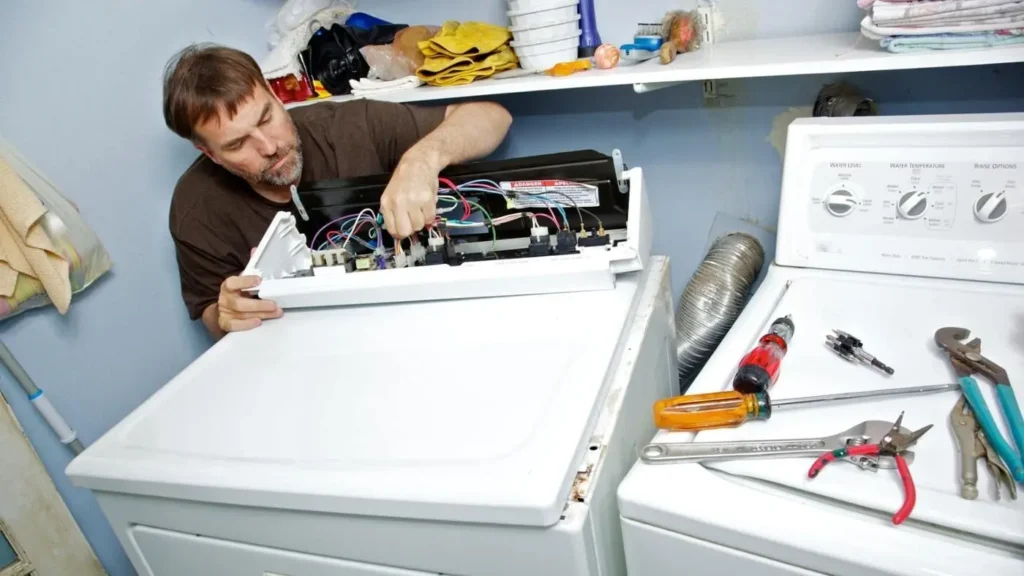
Picture a homeowner in a Kensington rowhouse who’s had the same refrigerator’s control board replaced twice in two years. Each repair holds for a few months, then the same symptoms creep back in.
What often goes unnoticed is the panel feeding that entire kitchen. An aging 60 amp service straining to keep up with a modern household can send just enough inconsistency through the line to wear down a sensitive component all over again, even one that was replaced only months earlier.
Once that panel finally gets evaluated and upgraded by a licensed electrician, the appliance side of things tends to settle down almost immediately, because the fridge was never really the problem to begin with.
Practical Steps Worth Taking Right Now
Protecting your appliances doesn’t require an electrical engineering degree. A few simple habits go a long way.
- Spread major appliances across separate circuits wherever that’s realistically possible
- Pay attention to whether lights dim the moment an appliance starts, and note when it happens
- Consider a surge protector rated specifically for major appliances, not the kind meant for a computer setup
- Find out your panel’s age and amperage if you honestly don’t already know it
- Never dismiss a warm outlet or a faint burning smell as nothing
Appliance Repair or Electrical Repair: Who Do You Actually Call First?
This is where a lot of people get stuck, and it’s a genuinely reasonable question to have. When an appliance keeps failing with no clear mechanical explanation, an experienced appliance technician can usually tell within one visit whether the pattern looks mechanical or points somewhere else entirely.
That distinction matters more than it seems. Replacing the same part again and again solves nothing if the real issue is sitting quietly behind the outlet the whole time.
Frequently Asked Questions
Can old wiring actually damage a refrigerator or washing machine?
Yes. Voltage fluctuations, missing grounding, and overloaded circuits can all shorten the life of sensitive components like control boards and compressors over time.
How can I tell if my appliance issue is electrical or mechanical?
If the same failure keeps returning after a proper repair, or lights dim whenever the appliance starts, it’s worth ruling out an electrical cause before replacing the part again.
Does my whole house need to be rewired to protect my appliances?
Not necessarily. In many cases, a panel upgrade, additional circuits, or proper grounding solves the problem without a full rewire. A licensed electrician can confirm exactly what your home needs.
Are Philadelphia rowhomes more prone to this than other houses?
A great many of them are, mainly because so much of the city’s housing predates today’s electrical demands and was never fully brought up to speed.
When the Problem Goes Beyond the Appliance
An aging electrical system rarely announces itself with sparks or drama. More often, it shows up quietly, in a fridge that keeps failing, a washer that stalls partway through a cycle, or lights that dim every time something switches on nearby.
If you’ve replaced the same part on the same appliance more than once without the problem truly going away, it might be time to stop looking at the appliance and start looking at what’s happening behind the wall.Still experiencing repeated appliance problems? Call our Philadelphia appliance repair team today for professional help.