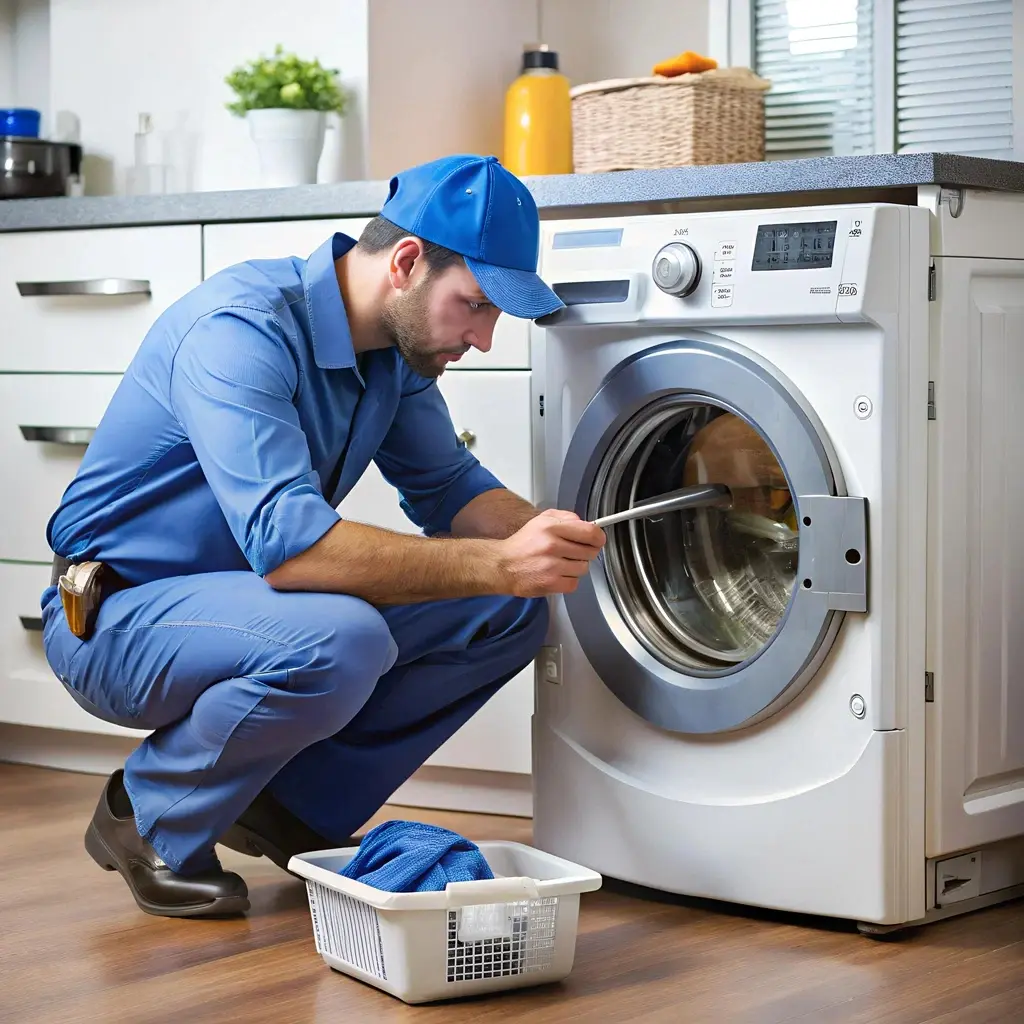
Your laundry basket is full, guests are coming this weekend, and your washing machine has just started making a sound like loose change in a cement mixer. Or maybe it stopped mid-cycle, sitting there full of soapy water, right when you needed it most.
Here’s the frustrating part: washing machines almost never quit without warning. They grumble, leak, shake, and stall for weeks sometimes months before they give up completely. The trick is knowing which of those little quirks are normal, and which ones are your machine asking for help.
Below are the clearest signs that a washing machine is going bad, what each one usually means, the simple checks you can do yourself, and the point where a repair stops making sense and a replacement starts looking smarter.
Washers Usually Warn You First
If you take only one thing from this page, take this: one odd noise or one strange cycle is rarely the end of a washing machine. Machines act up for simple reasons an unbalanced load, a coin caught in the drum, a clogged filter.
A washer is usually going bad when problems start stacking up. Noises get louder. Cycles get longer. Clothes come out worse. Small faults show up more and more often. It’s the pattern, not a single bad day, that tells the story.
With that in mind, here’s what to watch for.
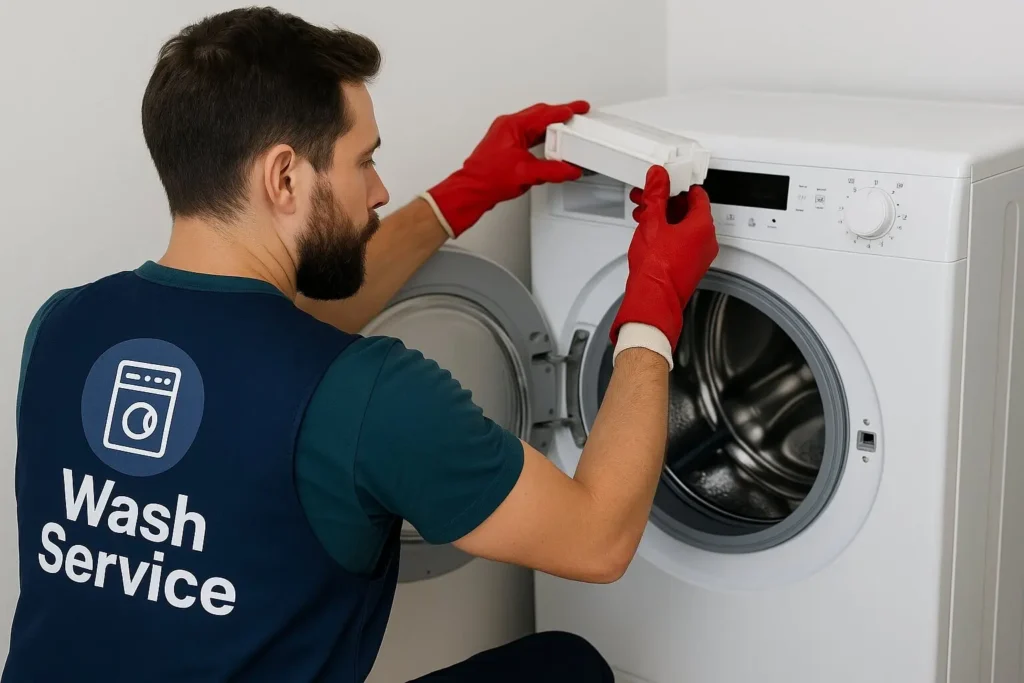
10 Signs Your Washing Machine Is Going Bad
1. It Makes Noises It Never Used to Make
Every washer has its own soundtrack, and you know yours by heart. So when new sounds show up grinding, banging, squealing, clicking, or a low roar during the spin cycle pay attention.
Loud banging often means the load is unbalanced, but if it happens load after load, the drum suspension may be worn. Grinding or rumbling that gets louder as the drum spins faster often points to worn drum bearings. Squealing can come from a worn drive belt. And sometimes the culprit is harmless: a coin, a button, or a bra underwire trapped between the drum and the tub.
Rule of thumb: if the noise is new, getting louder, or there on every single load, it’s a warning sign, not a quirk.
2. It Shakes, Vibrates, or Wanders Across the Floor
A little vibration during a high-speed spin is normal. A washer that rocks hard enough to move across the laundry room floor is not.
First, check the simple things. Is the machine level, with all four feet firmly on the floor? Is the load one heavy item a bath mat or a single soaked blanket sloshing to one side?
If the machine is level and the loads are balanced, strong shaking usually means the shock absorbers or suspension rods are worn out. Those parts hold the drum steady. When they wear, every spin cycle gets rougher and the shaking itself starts damaging other parts.
3. You Find Water on the Floor
A washing machine should never leave a puddle. Any leak deserves attention the same day, because water damage to floors and walls costs far more than most washer repairs.
Small drips at the back often come from loose or worn inlet hoses. Water at the front of a front-load machine often points to the rubber door seal, which can tear or trap grit over time. Leaks underneath can mean a cracked drain hose or a failing drain pump.
Note where the water shows up and when while filling, washing, or draining. That detail helps a technician find the source fast.
4. It Won’t Drain, or Clothes Come Out Soaking Wet
If you open the lid and find your clothes sitting in grey water or they’re heavy and dripping after the final spin the machine isn’t draining or spinning the way it should.
Common causes include a clogged drain pump filter, a kinked or blocked drain hose, a failing drain pump, or a lid switch that isn’t registering, which can stop the spin altogether.
This sign is worth acting on quickly. Standing water turns musty fast, and a pump straining against a blockage can burn out and turn a small fix into a bigger one.
5. The Drum Won’t Spin or Agitate
A wash cycle where the drum barely moves or doesn’t move at all is a clear sign something is wrong.
On top-load washers, worn agitator parts or a failing drive system can leave clothes sitting in soapy water, barely moving. On any style of machine, a broken drive belt, a worn motor coupling, or a faulty door lock can stop the spin completely.
If the machine fills and drains but won’t spin, it’s telling you the problem is mechanical or electrical and it’s unlikely to fix itself.
6. Clothes Come Out Dirty, Dingy, or Still Soapy
Your washer has one job. When clothes regularly come out with detergent streaks, a gritty feel, or stains that never used to survive a wash, the machine is falling down on that job.
Sometimes the cause is simple: too much detergent, loads packed too tight, or residue built up in the filter and drum. But it can also mean the machine isn’t filling with enough water, isn’t agitating properly, or isn’t draining the dirty water fully before the rinse.
If smaller loads and the right amount of detergent don’t fix it, the machine itself is the problem.
7. There’s a Smell You Can’t Wash Away
Front-load washers are famous for one thing: that musty smell that settles into the rubber door seal and transfers onto clean laundry.
A mild smell usually means residue and moisture are building up in the gasket and drum a cleaning issue. But a smell that keeps coming back right after a thorough cleaning can mean water is sitting where it shouldn’t, often because the machine isn’t draining completely.
One smell is different from all the rest: burning. A burning rubber or electrical smell means stop the machine, unplug it, and don’t use it again until it’s been checked. That one is a safety issue, not a maintenance issue.
8. Cycles Take Far Longer Than They Used To
Modern washers adjust cycle times as they go, so a few extra minutes now and then is nothing to worry about.
But if a normal load that used to take an hour now regularly takes two, something is making the machine work harder than it should. Slow filling can point to a clogged inlet screen or a failing water inlet valve. Slow draining points back to the pump or the drain path. Repeated re-balancing during the spin adds time, too and usually goes with the shaking problem above.
Longer cycles also mean more water and electricity per load, so this sign can quietly show up in your utility bills as well.
9. It Stops Mid-Cycle or Keeps Showing Error Codes
A washer that pauses and refuses to restart or flashes the same error code week after week is trying to tell you something specific.
Error codes are the machine’s way of flagging a fault: a drain problem, a door lock issue, a water fill problem, a motor fault. Look the code up in your manual, because the same code can mean different things on different brands.
One code after a power flicker? Probably nothing. The same code again and again, or a machine that won’t finish cycles at all, points to a part that’s failing and needs a proper diagnosis.
10. Breakdowns Are Getting More Frequent and the Machine Isn’t Young
This is the sign people feel in their wallet. One repair every few years is normal upkeep for any appliance. Two or three breakdowns in a year, on a machine that’s already had a long working life, is a pattern.
Most washers used several times a week start showing real wear after about a decade. If yours is in that range and the faults keep coming, each new repair buys less time than the last. That’s the clearest signal of all that a washing machine is going bad.
One Problem or a Pattern? A Quick Way to Tell
Here’s a simple way to sort a one-off glitch from a machine on its way out. Ask three questions:
- Has it happened more than once? A single odd cycle after a power cut or a badly loaded drum is usually nothing.
- Is it getting worse? Noise that’s louder this month than last, or shaking that’s spreading, means a part is wearing out.
- Is more than one thing wrong? A leak plus a noise plus longer cycles is a machine wearing out on several fronts at once.
Picture two washers. The first bangs loudly, but only when it washes the heavy bathroom rugs, and it runs quietly the rest of the week. The second rumbles on every load, leaves a small puddle twice a month, and needs its cycle restarted now and then.
Same appliance, very different stories. The first needs a loading adjustment. The second is asking for a technician or a replacement plan.
Simple Checks to Try Before You Call Anyone
Some warning signs have causes you can check in about ten minutes, with nothing more than a towel and a flashlight:
- Check the machine is level. Push down on opposite corners. If it rocks, adjust the feet until it sits solid.
- Look for trapped items. Check the drum, the folds of the door seal, and the pockets of recent loads for coins, screws, or underwires.
- Clean the drain pump filter. Many front-loaders have a small access door near the bottom front. Have a towel and a shallow tray ready water will come out.
- Inspect the hoses. Look behind the machine for bulges, cracks, or drips at the connections.
- Run an empty cleaning cycle. Use the tub-clean setting if your machine has one, or the hottest wash, and wipe the door seal dry afterwards.
- Lighten the load. If problems only happen with big, heavy loads, split them and see if the symptom goes away.
Two safety rules: unplug the machine before you check anything beyond the drum and filter, and don’t remove the outer cabinet panels. If a check means taking the machine apart, that’s the point to stop and call a professional.
Repair or Replace? How to Think It Through
This is the decision most homeowners actually lose sleep over, so here’s a plain way to weigh it.
Start with age and condition. A washer in its first several years with a single fault is almost always worth repairing. A machine that’s had a long life, has rust around the base or door, and is failing in more than one way is a weaker bet.
Then compare the repair quote with the price of a new machine. A guideline many homeowners use: if the repair costs around half or more of what a comparable new washer costs, and the machine is already well into its working life, replacement usually makes more sense.
Look at the type of fault. Hoses, belts, pumps, switches, and seals are parts that wear first, and they’re usually worth replacing. Drum bearings, a cracked tub, or a failed main control board on an older machine are the repairs that tip the balance toward replacement.
Be honest about the pattern. If this is the third repair in a year, the real question isn’t this repair it’s the next one, and the one after that.
And a fair point in the other direction: a new machine means delivery, installation, and hauling the old one away. A straightforward repair on a machine that otherwise works well is often the simpler, cheaper day.
When to Call a Professional
Call a technician sooner rather than later if you notice any of these:
- A burning smell, sparks, or a machine that trips the breaker
- A leak you can’t trace to a hose connection
- A loud roar or grinding during the spin cycle (often the bearings)
- Error codes that keep coming back after a reset
- A drum that won’t spin, agitate, or drain after your basic checks
- Any fault that means taking the cabinet apart to reach
There are practical reasons to act fast beyond the machine itself. A slow leak can damage flooring and in older Philadelphia rowhomes, where laundry often sits in a basement or a tight utility closet, a leak can go unnoticed for longer than you’d think.
If you’re in Philadelphia, our technicians offer same-day appointments Monday through Saturday when you call before noon, and every repair starts with a flat-rate quote before any work begins so you know exactly where you stand before you decide.
Habits That Help a Washer Last Longer
Whether you repair this machine or end up replacing it, a few habits make a real difference:
- Use less detergent than you think. Too much creates residue, smells, and extra strain. Follow the dosing marks, especially with high-efficiency machines.
- Leave the door or lid open a crack after washes, so the drum and seal dry out.
- Clean the pump filter and wipe the door seal regularly.
- Empty pockets. Coins, screws, and keys are small items that cause expensive noises.
- Don’t overload. Clothes need room to move; packed drums wear bearings and suspension faster.
- Wash heavy items evenly. One soaked blanket bunched on one side is a recipe for violent shaking.
- Check hoses now and then, and replace them if they look swollen, cracked, or rusty at the fittings.
None of this takes more than a few minutes and it’s the closest thing there is to protection against surprise breakdowns.
The Bottom Line
A washing machine going bad rarely does it quietly. It knocks, leaks, shakes, stalls, and takes longer and longer to do a job it used to handle without any fuss. Catch those signs early, and most of them lead to a repair, not a replacement.
So here’s your action step: the next time you run a load, stay nearby for a few minutes and actually listen. Then check the floor around the machine when it’s done. If what you hear and see matches the signs above especially more than one of them don’t wait for the final breakdown.
If you’d like a straight answer on whether your washer is worth fixing, call Appliance Repair in Philadelphia PA at (321) 218-1917. We’ll diagnose the problem, give you a flat-rate quote upfront, and tell you honestly if a repair doesn’t make sense. No runaround just clean laundry again.
Frequently Asked Questions
How long does a washing machine usually last?
There’s no fixed expiry date. It depends on how often the machine runs and how well it’s looked after. Many washers give around a decade or more of reliable service, while a machine used daily by a large household will wear out faster than one used twice a week. The signs in this article matter more than the birthday a well-kept older washer can outlast a neglected younger one.
Is a noisy washing machine dangerous?
Usually not dangerous, but never something to ignore. Banging often means an unbalanced load or worn suspension, and grinding or roaring usually means a part is wearing out. The exception is any noise that comes with a burning smell, smoke, or a tripped breaker in that case, stop the machine, unplug it, and have it checked before using it again.
Why does my washer shake during the spin cycle but not during the wash?
The spin cycle turns the drum at high speed, so any imbalance gets magnified. A load that’s bunched to one side, a machine that isn’t level, or worn shock absorbers and suspension rods can all stay quiet during the gentle wash motion and then shake hard once the spin gets going. If it happens with balanced loads on a level machine, the suspension is the likely culprit.
Can I keep using a washer that’s leaking a little?
It’s not a good idea. Even a small leak tends to get worse, and water sitting under and around a machine can damage flooring, encourage mould, and reach electrical parts. Find the source a hose connection you can tighten is one thing, but a leak from the tub, pump, or door seal needs a repair before the next load, not after it.
My washer is old but still works fine. Should I replace it before it breaks?
Not necessarily. If it’s running quietly, draining well, and cleaning properly, there’s no prize for replacing it early. Just keep an eye on the warning signs above, and start thinking about a replacement budget when repairs begin to stack up. Planning ahead beats an emergency purchase with a pile of dirty laundry waiting.