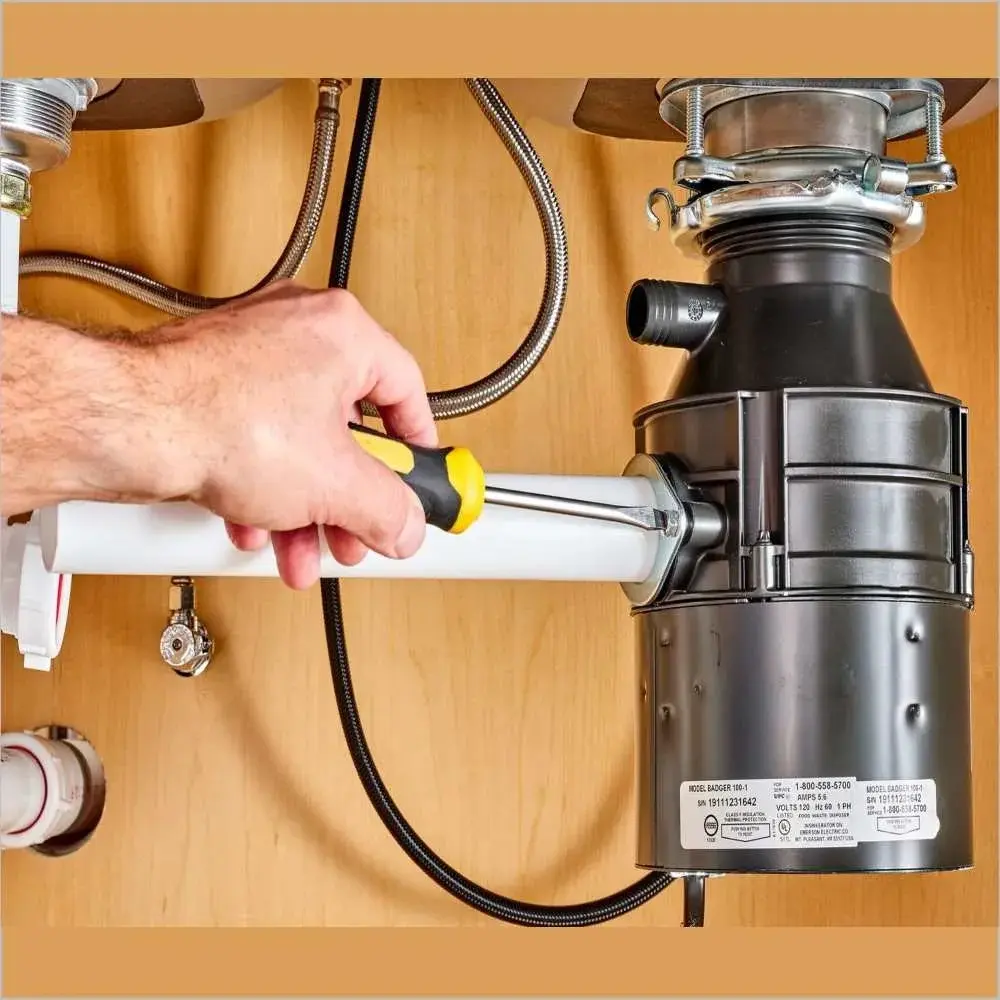
You have six legal ways to dispose of an old dishwasher in Philadelphia: retailer haul away at delivery, a scheduled curbside bulk pickup through the city, a drop off at a Sanitation Convenience Center, a scrap metal yard, a donation if the unit still runs, or a private removal service. Which one fits depends on whether the appliance works, whether you own a vehicle, and how fast you need it gone.
The wrong move is leaving it at the curb on a regular trash day and hoping.
That is how people end up with a fine, a dishwasher still sitting outside three weeks later, and a neighbor who stops waving.
Let us walk through every option properly.
Before You Get Rid of It: Is the Dishwasher Actually Dead?
This question deserves ninety seconds before you start planning a removal.
A dishwasher that will not drain is often a clogged filter, a blocked drain hose, or a failed drain pump. A dishwasher that leaks is often a worn door gasket. A dishwasher that will not start is sometimes a door latch switch that costs very little to replace.
None of those are reasons to throw out a machine.
Here is a useful rule of thumb. If the unit is under seven years old and the repair costs less than half the price of a comparable new one, repairing usually wins. Past ten years, especially with a failing motor or control board, replacement makes more sense.
Ask yourself:
Have you actually diagnosed the problem, or did you decide it was finished after one bad cycle? A lot of appliances get hauled to a scrap yard over a twenty dollar part.
If it is truly done, keep reading.
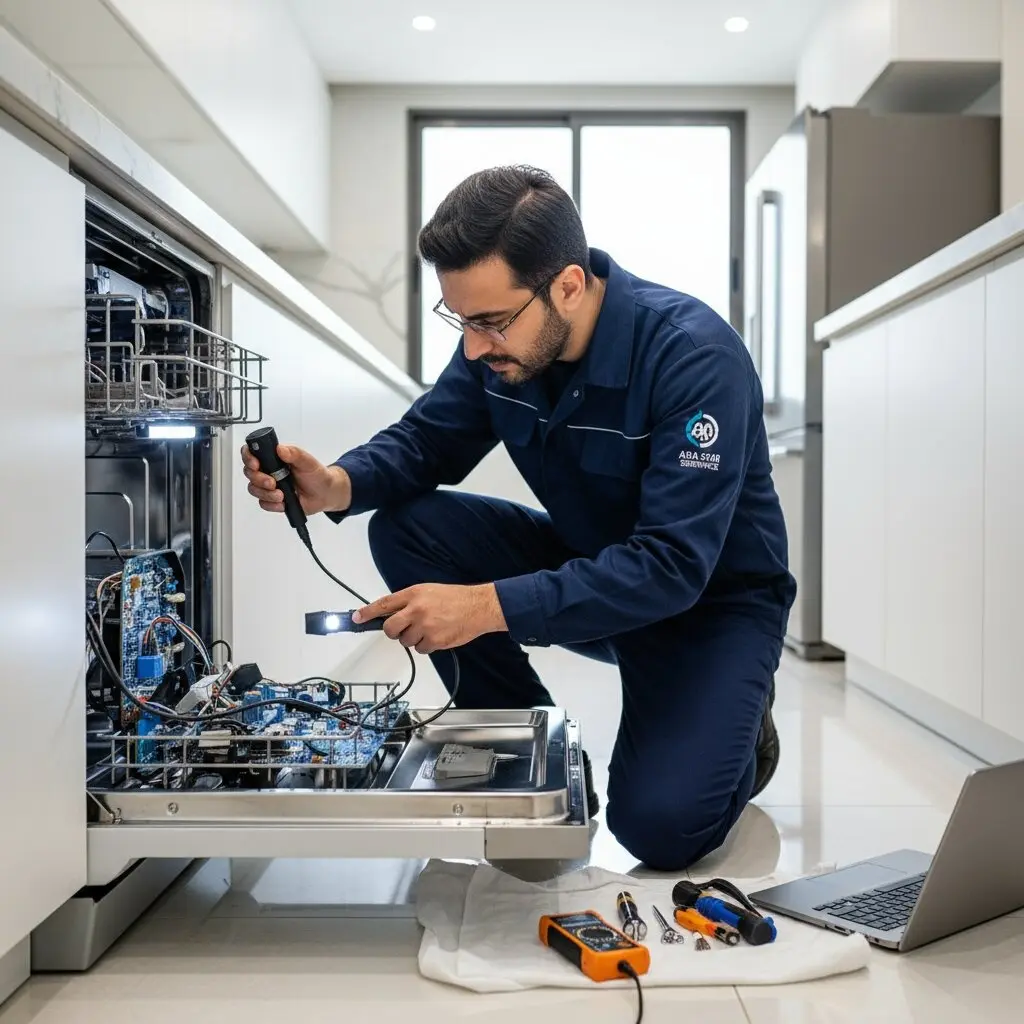
Step One: Prepare the Unit Safely
Do not skip this. Half the problems people run into with appliance disposal happen because the unit was never properly disconnected.
Cut the power. Switch off the dedicated breaker at your panel. Most built in dishwashers are hardwired, not plugged in, so the wall is not going to help you.
Shut off the water supply. There is usually a small valve under the sink feeding the dishwasher line. Turn it fully clockwise.
Drain the machine. Run a short rinse cycle before disconnecting anything so the sump empties. If it will not run, sponge out the basin by hand and soak up what is left with towels.
Disconnect the supply line and drain hose. Keep a shallow pan and old towels underneath. There will be water in those lines no matter how carefully you drained the tub.
Remove the mounting screws at the top of the opening under the countertop, then walk the unit out slowly. Adjust the leveling feet down if it catches.
Actionable tip most people miss:
Tape the door shut before you move it anywhere. A dishwasher door swinging open on a staircase is how people break fingers and gouge walls.
Option One: Retailer Haul Away at Delivery
Best for:
Anyone buying a replacement.
Cost:
Often free, sometimes a modest fee.
This is the easiest path by a wide margin, and it is the one people forget to ask about.
When you order a new dishwasher from a major retailer, add removal of the old unit at the point of purchase. Big box stores and appliance chains almost always offer it, but it is usually an opt in checkbox rather than a default.
Two things to confirm before delivery day.
Ask whether the crew disconnects or only removes. Many delivery teams will haul away a unit that is already disconnected and sitting free, but will not touch plumbing or wiring themselves. If yours is still installed, arrange a separate disconnection.
Ask about stairs. Rowhome kitchens on upper floors, tight basement entries, and narrow Philadelphia stairwells sometimes fall outside standard delivery terms.
Tip:
Get the haul away confirmation in writing on your order. Verbal promises at the register have a way of evaporating on delivery day.
Option Two: Schedule a Curbside Bulk Pickup With the City
Best for:
Residents of smaller residential buildings who can plan ahead.
Cost:
Free.
Philadelphia collects bulk items from residential properties, but appliances are not treated like regular trash. You generally need to request the pickup in advance rather than simply setting the unit out.
Requests go through the city’s 311 service, either by phone or through the online portal.
Three details that trip people up.
There is a limit on items per collection. Large cleanouts need to be split across multiple weeks.
Bulk collection applies to smaller residential buildings. Larger multi unit properties typically need a private hauler.
Timing matters. Put the unit out only during your confirmed window. Setting an appliance at the curb days early is how you end up with a citation, and it is also how the unit gets stripped for scrap overnight.
Confirm current rules with the Streets Department before you schedule, because item limits, appointment lead times, and refrigerant handling procedures change from year to year.
Option Three: Drop It Off at a Sanitation Convenience Center
Best for:
Anyone with access to a truck or a friend with one.
Cost:
Free.
Philadelphia operates a network of Sanitation Convenience Centers spread across the city, including locations in Port Richmond, Strawberry Mansion, Northeast Philadelphia, Northwest Philadelphia, West Philadelphia, and Southwest Philadelphia.
These accept large metal household items and appliances, with a daily limit on the number of bulk items per resident.
You will need proof of Philadelphia residency. A driver’s license with a city address or a recent utility bill generally does it.
Two things to know.
They serve residents, not contractors. Waste generated by a business will be turned away.
They are same day. No appointment, no waiting two weeks for a collection window. If you want the dishwasher gone this afternoon and you can lift it, this is your fastest free option.
Check current operating hours before you drive over, and note that city holidays close them.
Option Four: Scrap It for Cash
Best for:
Anyone who does not mind a short drive and wants something back.
Cost:
You get paid, though not much.
A dishwasher is largely steel with a motor inside. Scrap yards around the Delaware and Schuylkill corridors buy exactly that.
Payment depends on weight and current metal prices. A dishwasher will not fund your weekend, but it beats zero.
Call ahead and ask two questions. Do they accept whole appliances, and do they require refrigerant removal certification for units that contain it? Dishwashers do not, but refrigerators and window air conditioners do, and yards have different policies.
Tip:
Bring identification. Most scrap yards in Pennsylvania are required to record seller information.
Option Five: Donate It If It Still Works
Best for:
Functional appliances being replaced for style or upgrade reasons.
Cost:
Free, plus a possible tax deduction.
A surprising number of appliances get scrapped in good working order. Someone remodels a kitchen, wants a panel ready model, and the old machine still runs a perfect cycle.
Habitat for Humanity ReStore locations in the region accept working appliances, and many will arrange pickup for larger items.
Be honest about condition. Donating a broken machine just moves your disposal problem onto a nonprofit that has to pay to scrap it.
Have the model number ready when you call. Organizations screen by age and type, and older units are sometimes declined.
Option Six: Hire a Private Removal Service
Best for:
Upper floor units, tight staircases, multiple appliances, or a hard deadline.
Cost:
A per item fee.
Sometimes paying is simply the correct decision.
A dishwasher weighs enough that carrying one down a narrow rowhome staircase alone is a genuine injury risk. Add a washer, a dryer, and an old refrigerator to the same cleanout and the math tips quickly toward hiring help.
Ask any hauler these three questions before booking. Are you licensed to operate in Philadelphia, do you recycle or landfill, and is the quote all inclusive including stairs?
That third one matters. Stair fees added after the truck arrives are the most common complaint in this category.
Special Rules for Other Large Appliances
The dishwasher is the easy case. Other appliances carry extra requirements.
Refrigerators, Freezers, and Air Conditioners
These contain refrigerant, and federal environmental rules require it to be recovered by a certified technician before the unit is scrapped. You cannot legally vent it, and you should never puncture a sealed system yourself.
That single fact changes your options. Many curbside programs handle refrigerant appliances differently from other bulk items, so confirm the current procedure before setting one out.
Question worth asking yourself:
Is there a second refrigerator humming away in your basement right now holding three condiments? Older units can consume several times the electricity of a modern one. Recycling it can pay you twice, once in rebate and again every
Televisions, Monitors, and Computers
Pennsylvania’s Covered Device Recycling Act bans these from curbside trash and landfills statewide. You cannot set an old television out with bulk items. Sanitation Convenience Centers accept electronics, and that is the straightforward route.
Gas Ranges and Gas Dryers
Do not disconnect a gas line yourself unless you are qualified. Shutting a valve is one thing. Capping a line correctly is another.
Have a licensed professional disconnect and cap it, then handle removal separately.
Washers and Dryers
Mostly metal, so scrap yards want them. Drain the washer hoses fully first or you will flood whatever vehicle carries it.
What Illegal Dumping Actually Costs
Short dumping an appliance on a side street feels like a shortcut. It is not.
Philadelphia has expanded enforcement significantly, including surveillance cameras in known dumping corridors. Fines are steep, and appliances are easy to trace because serial numbers survive in ways loose trash does not.
Every legal option above is free or nearly free. There is no scenario where the risk pays off.
Frequently Asked Questions
Can I put a dishwasher out with regular trash in Philadelphia?
No. Appliances need a scheduled bulk pickup or a drop off at a Sanitation Convenience Center.
Does the city charge for appliance disposal?
Curbside bulk collection and convenience center drop off are free services for residents.
Do I need to disconnect the dishwasher myself?
Usually yes. Most collection and delivery services take units that are already disconnected and free standing.
What about the refrigerant in my old fridge?
It must be recovered by a certified technician. Never puncture the sealed system or vent it yourself.
Can I get paid for an old appliance?
Sometimes. Scrap yards pay by weight, and PECO’s recycling program offers a rebate for qualifying working refrigerators and freezers.
How long does a city pickup take to schedule?
Plan for a lead time of a couple of weeks. If you need it gone sooner, use a convenience center or a private hauler.
Choosing the Right Way to Dispose of an Old Appliance in Philadelphia
Match the method to your situation and this becomes simple.
Buying new? Add haul away to the order.
Have a truck? Convenience center, same day, free.
Can wait two weeks? Schedule a city bulk pickup.
Still works? Donate it or claim a rebate.
Upstairs, heavy, or on a deadline? Pay a hauler and save your back.
And before any of it, spend ninety seconds asking whether the appliance is genuinely finished. A drain pump replacement is a far smaller project than a removal, a purchase, and an installation.
Not sure whether yours is worth saving? A quick diagnostic visit answers that question before you commit to replacing anything.