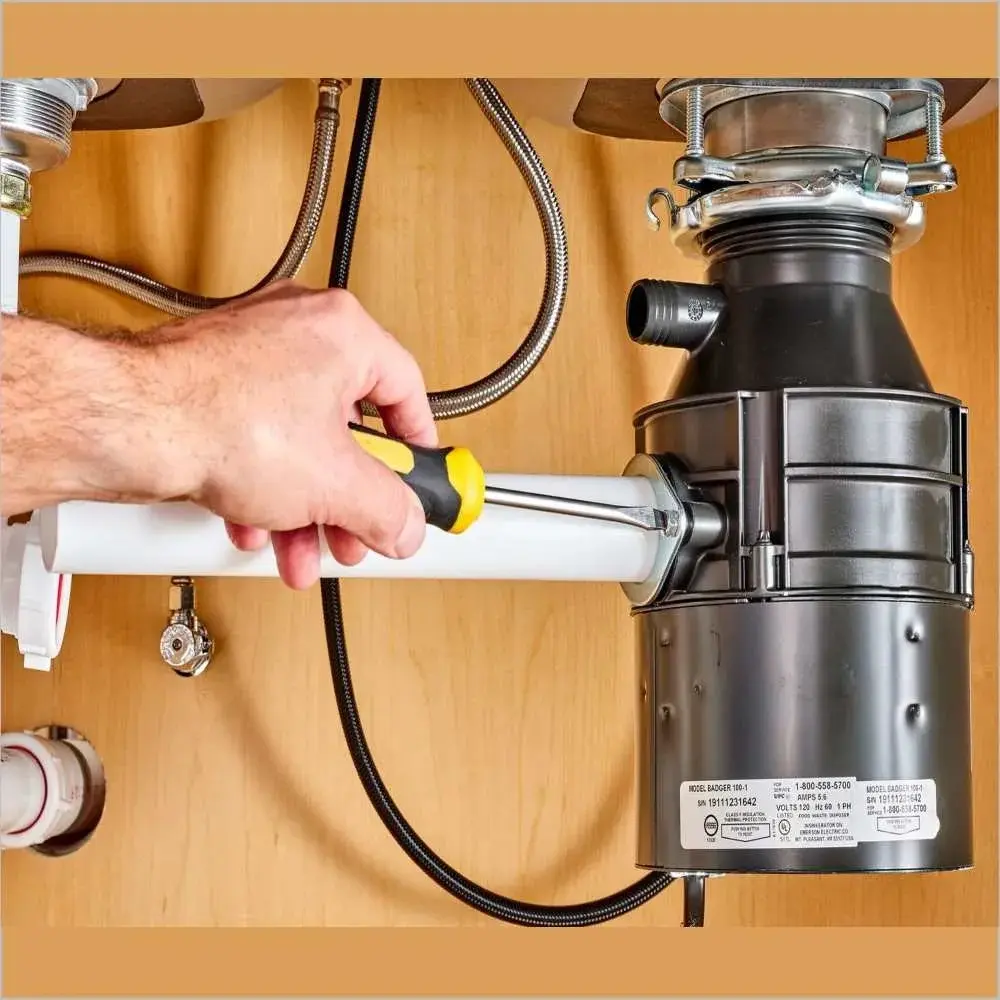
The most common dishwasher failure is a clogged or malfunctioning drain system, usually caused by a dirty filter, a blocked drain hose, or a failing drain pump. This shows up as standing water pooling at the bottom of the tub after a cycle finishes, and it accounts for a larger share of service calls than any other single issue.
That answer surprises some people, mostly because they expect something more dramatic, a broken motor or a dead control board, to top the list. In reality, the failure point that shows up most often is also one of the easiest to prevent once you understand exactly where and why it happens.
Why Drainage Problems Take the Top Spot
A dishwasher’s drain system does more work than most people realize. Every cycle pushes food particles, grease, and mineral residue through a filter basket, down through a pump, and out through a hose connected either to a garbage disposal or directly under the sink.
Any single point along that path can slow down or fail entirely, and unlike a lot of appliance components, this one gets dirtier every single time the dishwasher runs. That’s the core reason it dominates service calls. It’s not a rare mechanical defect. It’s a wear pattern built into daily use.
The Chain of Events Behind Most Drainage Failures
Here’s what typically happens, step by step, before a homeowner ever notices a problem.
Food debris accumulates in the filter
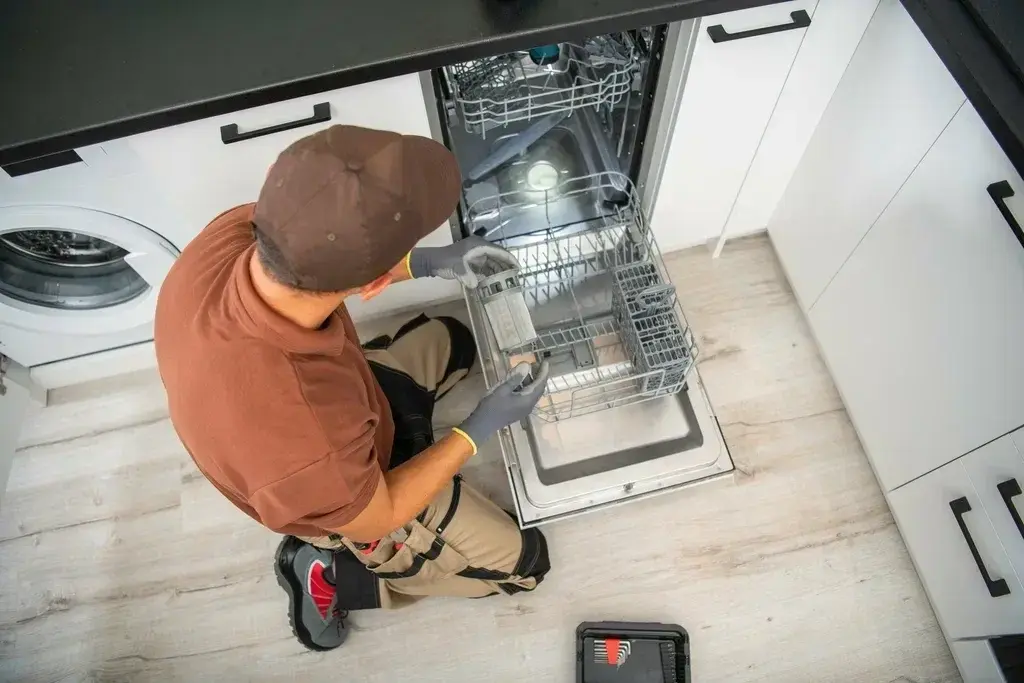
Most modern dishwashers use a removable filter basket instead of a garbage disposal style grinder. If it isn’t cleaned every few weeks, it slowly restricts water flow.
The drain hose develops a partial clog or kink
Grease buildup, a small food particle, or even a hose that’s been bent during a countertop installation can quietly reduce flow without stopping it completely at first.
The drain pump starts working harder than it should
As resistance builds elsewhere in the system, the pump compensates, which accelerates wear on the pump motor itself.
The pump eventually fails outright
- What started as a five minute filter cleaning issue becomes a genuine mechanical repair.
Have you ever noticed your dishwasher getting slightly noisier over several months before it finally stopped draining completely? That’s usually this exact sequence playing out in real time.
Other Frequent Failure Points Worth Knowing
While drainage issues top the list, a handful of other components fail often enough to deserve attention.
Water Inlet Valve
This valve controls how much water enters the dishwasher during each cycle. When it fails, you’ll either get a dishwasher that won’t fill properly or one that overfills and leaks from the door.
Door Latch and Switch Assembly
Modern dishwashers won’t run at all if the door latch isn’t fully engaged, both for safety and to confirm the door is sealed. A worn or misaligned latch is a surprisingly common reason a dishwasher simply refuses to start.
Heating Element
Beyond drying dishes, the heating element helps dissolve detergent and reach the water temperature needed for a proper wash. A failing element often shows up first as dishes coming out wet, then later as dishes that aren’t getting fully clean either.
Float Switch
This small component tells the dishwasher when it has enough water and needs to stop filling. Debris trapped underneath it can cause overfilling, which sometimes gets misdiagnosed as a valve problem when the float switch was the actual issue.
Spray Arm Blockage
Mineral deposits or trapped food particles inside the spray arm holes reduce water pressure unevenly, leading to dishes that come out clean on one rack and streaky on the other.
A Story That Plays Out in a Lot of Philadelphia Kitchens
A homeowner in Roxborough once called about a dishwasher that had gradually gotten noisier over a few months before finally stopping mid cycle with water still sitting in the tub. The assumption was a dead motor and an expensive replacement.
The actual cause was a completely clogged filter basket that hadn’t been removed and cleaned in well over a year, combined with a partially blocked drain hose from years of buildup. A thorough cleaning and hose replacement resolved the entire issue for a fraction of what a new dishwasher would have cost.
That outcome is genuinely common. A problem that looks catastrophic often traces back to basic maintenance of dishwasher that got overlooked for months at a time.
Does Philadelphia’s Water Play a Role?
It’s a fair question, since water quality does affect certain appliances more than people expect. Philadelphia’s municipal water sits in a moderate hardness range, not nearly as extreme as some regions, but still enough over years of use to contribute to mineral buildup inside spray arms and around heating elements.
This isn’t usually the primary cause of a major failure on its own, but it can accelerate wear on components that were already due for cleaning or replacement, particularly in older dishwasher units that have never had a deep clean cycle run through them.
How to Tell If You Can Fix It Yourself
Not every drainage or performance issue requires a technician. Here’s a simple way to think about it.
Reasonable to try yourself:
Removing and rinsing the filter basket under warm water
Checking the drain hose for obvious kinks or visible clogs near the connection point
Running a dishwasher cleaning cycle with a dedicated cleaning solution
Wiping down the door gasket and checking for trapped debris
Better left to a technician:
- Replacing the drain pump motor
- Diagnosing or replacing the water inlet valve
- Any repair involving the control board or internal wiring
- Persistent leaking after you’ve already ruled out the filter and hose
If you’ve cleaned the filter and checked the hose but the problem keeps coming back, that’s usually the signal that something further down the system, most likely the pump itself, needs professional attention.
Preventive Habits That Actually Reduce Failures
A few consistent habits meaningfully reduce how often any of these issues show up in the first place.
- Clean the filter basket every two to four weeks depending on how often you run the dishwasher
- Scrape large food particles off dishes before loading, even with modern filtration systems
- Run a dedicated dishwasher cleaning cycle every one to two months to reduce mineral and grease buildup
- Check the drain hose connection under the sink once or twice a year for kinks or slow leaks
- Avoid overloading the bottom rack in a way that blocks the spray arm’s rotation
Frequently Asked Questions
What is the number one cause of dishwasher problems?
A clogged or restricted drain system, most often traced back to a dirty filter basket or a partially blocked drain hose, causes more service calls than any other single issue.
How do I know if my dishwasher’s problem is the pump or just the filter?
Start by removing and cleaning the filter basket. If drainage issues continue after a thorough cleaning and a hose check, the drain pump itself may be failing and typically requires professional diagnosis.
How often should I clean my dishwasher’s filter?
Every two to four weeks for most households, though homes that run the dishwasher daily or frequently wash greasy cookware may need to check it more often.
Can hard water cause dishwasher failures on its own?
Not usually as the sole cause, but it can accelerate mineral buildup in spray arms and around heating elements, especially in units that rarely get a deep cleaning cycle.
Prevent Dishwasher Problems Before They Become Costly Repairs
The most common dishwasher failure isn’t some rare mechanical defect. It’s a drainage system slowly clogging over months of normal use, something almost entirely preventable with a simple filter cleaning routine.
If your dishwasher is leaving standing water behind or making noises it didn’t used to make, start with the filter and the hose before assuming the worst. More often than not, that’s exactly where the real problem is hiding.